For How Long Do Peptides Last In The Refrigerator: Full Refrigeration Overview
How Much Time Do Peptides Last In The Fridge: Complete Refrigeration Overview
Criterion storage at space temperature or in a great, dry place is normally sufficient. The storage space tests explained in this guide use largely to reconstituted liquid peptide preparations. If you buy peptides in bulk, either to save money or to ensure supply, long-lasting storage planning ends up being necessary. Maintain every little thing in lyophilized form for as long as possible.Understanding The Landscape Of "peptides 4 Life"

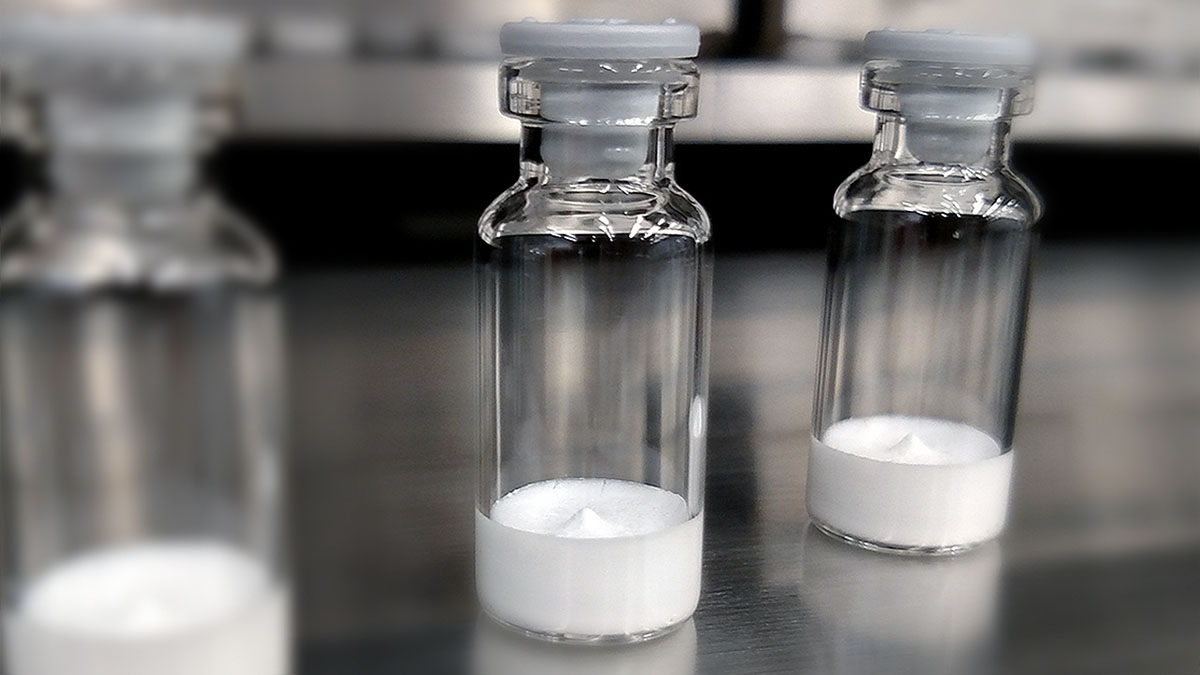
- Research-grade semaglutide reconstituted in bacteriostatic water usually complies with the conventional 28-to-30-day guideline.
- Significant deterioration has likely happened over 8 to 12 hours at room temperature.
- If storage was optimum, many peptides preserve substantial potency past nominal expiry dates.
- Advancing exposure from repetitive gain access to can speed up destruction.
Choosing The Best Container For Reconstituted Peptides
Label each aliquot clearly with peptide identity, focus, date, and great deal number. Wage care if the peptide appears typical however has surpassed expected storage space duration. Think about screening at minimized ranges prior to dedicating to complete experiments, and be prepared for lowered effectiveness. Remove the water and you eliminate these deterioration paths practically completely. Join SeekPeptides for the very best peptide education and devices supporting ideal storage space and optimum worth from every acquisition.
The Length Of Time Does Retatrutide Last Refrigerated?
Also in lyophilized type, peptides can slowly oxidize when stored in air-filled vials over prolonged durations. Microbial development slows down drastically under refrigeration. Bacteria and fungi that could contaminate reconstituted peptide solutions expand slowly or not in all at refrigerator temperatures. This microbial reductions complements the chemical stability advantages of cold store. Unreconstituted (lyophilized) retatrutide can be saved frozen at -20 ° C or below for long-lasting storage. This is the conventional suggestion for vials you do not prepare to utilize within 3-6 months.
You would need to take a trip with bacteriostatic water and reconstitution supplies, yet these are far less temperature-sensitive than reconstituted option. For reconstituted peptides you will certainly Lyophilized Peptide not utilize for weeks or months, fridge freezer storage extends life span dramatically. At -20 C, reconstituted peptides can continue to be stable for a number of months. At -80 C, stability prolongs even longer, possibly a year or more depending on the certain compound. Understanding these four pathways, oxidation, deamidation, hydrolysis, and aggregation, provides you the total image of why reconstituted peptides have limited shelf lives.A reconstituted retatrutide service should be clear and anemic, or at the majority of an extremely light yellow. Lyophilized (unmixed) powder is extra durable to orient temperature level expeditions than the reconstituted solution. If your traveling schedule is unforeseeable, think about timing reconstitution to occur at your destination as opposed to prior to departure.
This conversion is basically irreversible under normal conditions. Once it occurs, the methionine deposit has actually permanently changed, and the peptide might no longer operate as meant. For a much deeper dive into refrigerator-specific timelines, the full guide to the length of time reconstituted peptides last in the refrigerator covers this topic extensively.Avoid maintaining it near the refrigerator door, which exposes the vial to the indoor light each time the refrigerator is opened up. An option might look ideal while having actually lost significant activity via improper storage space. Proper storage from reconstitution day one is the primary protection against destruction, not aesthetic inspection alone. The expense of an endangered vial is far much less than the danger of infusing a deteriorated peptide. A back rack placement and nontransparent storage box safeguard the reconstituted vial from temperature level swings and light exposure. When you have actually reconstituted your retatrutide with bacteriostatic water (BAC water), Research Laboratories the remedy needs to enter into the fridge promptly.
Yet most researchers skip it since it feels like added job. Aspartic acid (Asp) deposits are specifically prone to hydrolysis-related degradation. Asp can form a cyclic imide intermediate that either regrows the original amino acid or converts to iso-aspartate, an isomer with different residential or commercial properties. In sequences containing Asp-Pro, the cyclic imide development can in fact cleave the peptide backbone completely, splitting the peptide into 2 fragments. Instead of a basic side-chain modification, cysteine residues can develop disulfide bonds with each other.